


Are you wondering what vaccines do dogs need for boarding? Or maybe you’ve searched for what shots do dogs need to be boarded and still feel unsure about the exact requirements.
Whether you’re heading out for a weekend trip or a long vacation, making sure your pup has the proper vaccinations is a must—not just for their safety, but also to meet the strict requirements of most dog boarding facilities.
In this complete guide, we’ll cover the required dog vaccinations, why they matter, and how to prepare your dog for a smooth, stress-free dog boarding experience.
Listen to the audio podcast:
Key Takeaways:
- Vaccinations protect your dog and others from contagious diseases.
- Most boarding facilities require Rabies, DA2PP, Canine Influenza CIV and Bordetella vaccines.
- Vaccinations should be updated at least 2-3 weeks before dog boarding.
- Always verify the required vaccines for dogs with your boarding provider.
- Check specific facility requirements well in advance.
Why Are Vaccines Required for Dog Boarding?
Boarding facilities care for multiple dogs in shared spaces, making disease transmission a serious risk. Required vaccinations help prevent outbreaks, ensuring all dogs stay safe and healthy.
Key Reasons Vaccinations Are Necessary for Boarding
- Disease Prevention: Vaccines protect dogs from serious illnesses like rabies, distemper, and kennel cough.
- Protecting Other Dogs: Even if your dog is healthy, they could carry or spread infections to other dogs.
- Facility Compliance: Most kennels must follow local and state laws on required vaccinations for dogs.
- Peace of Mind: Knowing your dog is vaccinated allows you to board them with confidence.
Required Vaccines for Dog Boarding
Most reputable boarding facilities require core and non-core vaccines. These are considered the most important and commonly required dog vaccinations. Core vaccines are recommended for all dogs, while non-core vaccines are required based on the boarding environment and risk factors.

1. Rabies Vaccine (Legally Required)
Why It’s Important: Rabies is a fatal viral disease that affects the central nervous system. It can spread through saliva, usually via bites from infected animals.
Vaccination Schedule:
- Puppies get their first rabies shot at 12–16 weeks old.
- A booster is required after one year.
- Adult dogs need rabies boosters every 1-3 years, depending on state laws and vet recommendations.
Boarding Policy: Mandatory
This is one of the most strictly required dog vaccinations for boarding nationwide.
2. Distemper, Adenovirus, Parvovirus, Parainfluenza (DA2PP/DHPP/DAPP)
This combination vaccine protects against multiple dangerous viruses:
- Canine Distemper Virus (CDV): Affects the respiratory, digestive, and nervous systems.
- Adenovirus (Canine Hepatitis): Causes liver and kidney damage.
- Parvovirus: A severe, highly contagious disease that causes vomiting, diarrhea, and dehydration.
- Parainfluenza: A respiratory virus that contributes to kennel cough.
Vaccination Schedule:
- First dose at 6-8 weeks old.
- Boosters every 3-4 weeks until 16 weeks old.
- Adult dogs need booster shots every 1-3 years.
Boarding Policy: Mandatory
This is one of the core vaccines and a top priority among all required vaccines for dogs.
3. Bordetella (Kennel Cough) Vaccine
Why It’s Important: Kennel cough is a highly contagious respiratory infection that spreads through coughing, sneezing, and direct contact. Since dogs in boarding facilities are in close quarters, this vaccine helps prevent outbreaks.
Vaccination Schedule:
- Given annually or every 6 months for high-risk dogs.
- Available as injectable, oral, or intranasal.
Boarding Policy: Almost always required
If you’re asking what shots do dogs need for boarding, this one is essential.
4. Canine Influenza Vaccine (Dog Flu) (H3N2 & H3N8)
Why It’s Important: Canine Influenza (CIV) is a highly contagious respiratory virus that spreads through coughing, barking, and contaminated surfaces.
Vaccination Schedule:
- Requires two doses, 2-4 weeks apart.
- Annual booster recommended.
Boarding Policy: Required in some areas
This is increasingly one of the required dog vaccinations, especially during outbreaks.
5. Leptospirosis Vaccine
Why It’s Important: Leptospirosis is a bacterial infection spread through contaminated water, soil, and urine from infected animals. It can also be transmitted to humans.
Vaccination Schedule:
- First dose at 8-9 weeks old.
- Booster 3-4 weeks later.
- Annual boosters recommended in high-risk areas.
Dog Boarding Policy: Sometimes required, especially in rural or high-exposure environments
Many boarding facilities now include this in their list of required vaccinations for dogs.
Possible Side Effects and Risks of Dog Vaccinations
While the benefits of vaccinating your dog far outweigh any potential risks, it’s important to be aware of possible side effects. Severe reactions to vaccines are uncommon, but as with any medical treatment, some dogs may experience mild to moderate symptoms. To ensure their well-being, it’s best to schedule vaccinations at a time when you can closely monitor your dog afterward.

Common Side Effects of Vaccinations
Most dogs tolerate vaccines well, but mild symptoms may occur, including:
✔ Low-grade fever
✔ Fatigue or sluggishness
✔ Temporary loss of appetite
✔ Mild swelling around the face, paws, or injection site
✔ Hives (itchy, raised bumps on the skin)
✔ Occasional vomiting or diarrhea
Severe Reactions (Rare but Serious)
In rare cases, dogs may have an allergic reaction to a vaccine, requiring immediate veterinary attention. Warning signs include:
⚠ Significant facial swelling
⚠ Difficulty breathing
⚠ Persistent vomiting or diarrhea
⚠ Sudden collapse or seizures (anaphylactic shock)
What to Do If Your Dog Has a Reaction
Mild side effects are typically short-lived and indicate that the immune system is responding to the vaccine, just like in humans. However, if your dog shows severe symptoms—such as facial swelling, vomiting, or extreme lethargy—contact your veterinarian immediately.
By staying informed about potential side effects and monitoring your pup after their shots, you can ensure a safe and stress-free vaccination experience.
When Should You Vaccinate Your Dog Before Boarding?
Most vaccines need time to become effective. Ensure your dog’s vaccinations are done well before their boarding stay.
- Core vaccines (Rabies, DA2PP/DHPP): At least 2 weeks before boarding.
- Bordetella: At least 48 hours before boarding (preferably 10 days for full immunity).
- Canine Influenza & Leptospirosis: At least 2-3 weeks before boarding.
Tip: Check with your veterinarian and boarding facility in advance to confirm vaccination requirements and deadlines. Don’t wait until the last minute to handle your dog’s boarding vaccines.
What Happens If a Dog Isn’t Vaccinated?
If your dog is missing required vaccinations:
- They may be denied boarding services.
- They are at high risk of getting sick from unvaccinated or infected dogs.
- They could spread diseases to other dogs and staff.
- You may need alternative care options, such as hiring a pet sitter.
If you’re unsure what vaccines are required for dogs, always contact your boarding provider early.
Additional Health Requirements for Boarding
Aside from vaccinations, most boarding facilities also require:
1. Flea & Tick Prevention
Dogs should be free from fleas and ticks before boarding. Some facilities may conduct a flea check at check-in.
2. Parasite Prevention
Some boarding facilities require heartworm prevention or a recent negative fecal test to check for internal parasites.
3. Veterinary Records & Proof of Vaccination
You’ll need to provide written proof of vaccinations from a licensed veterinarian. Digital or hard copies are usually accepted. Still have questions? Visit our FAQs page for more details about our general policies, or contact us directly for specific boarding requirements.

How to Prepare Your Dog for Boarding
1. Schedule a Vet Visit
Book a health check-up at least 2-3 weeks before boarding to update any necessary vaccines.
2. Get Your Dog Comfortable with Boarding
If it’s your dog’s first time boarding, consider a short trial stay or daycare visits to help them adjust. For expert tips on reducing stress, packing essentials, and easing separation anxiety before boarding, read our guide: How to Reduce Stress When Boarding Your Dog.
3. Bring Familiar Items
If they have separation anxiety go ahead and bring an item they are comfortable with. Pack their favorite blanket, toy, or food to help reduce stress during their stay.
4. Provide Updated Contact Information
Make sure the facility has your contact details and an emergency contact in case of any issues.
The Canine Club’s Boarding Requirements and Services
At The Canine Club, we take the health and safety of every dog seriously. We follow industry standards for required vaccinations for dogs who board with us. Your dog must be up to date on the following:
✔ Rabies
✔ Bordetella
✔ Leptospirosis
✔ Distemper
✔ Influenza
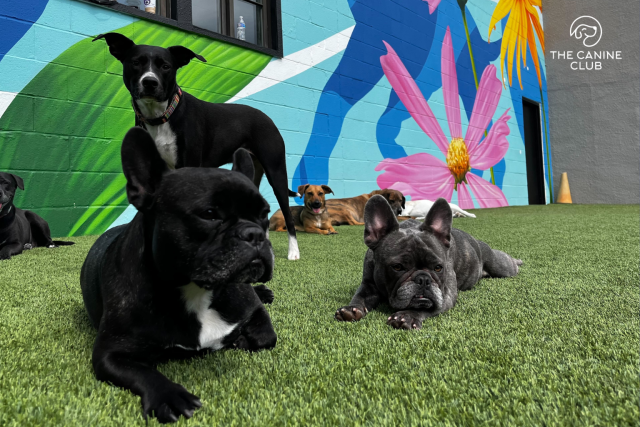
For the safety of all our furry guests, no exceptions are made to this policy. Be sure to update your dog’s vaccinations well in advance to secure their spot at The Canine Club! Our facility also offers live webcam access so you can check in on your dog anytime for peace of mind.
Vaccinating your dog before boarding is essential for their health, safety, and compliance with facility policies. The Rabies, DA2PP, and Bordetella vaccines are commonly required, while Canine Influenza and Leptospirosis may be needed depending on the facility.
Whether you’re researching required vaccines for dogs or preparing for your pup’s first stay, getting their shots updated early ensures peace of mind. At The Canine Club, we know how important it is to provide a safe, comfortable, and fun environment for your dog while you’re away. Our facility ensures all dogs are up to date on vaccinations and provides a stress-free boarding experience.
To get your dog qualified to stay with us visit our website at https://ccdogdaycare.com/apply or call us at (410) 539-7626!
And when your dog comes back home, we’ve got you covered too. Here’s how to support their transition: How to Help Your Dog Adjust After Returning from Dog Boarding.
Final Thoughts
Still wondering what shots do dogs need for boarding? Or trying to confirm the required vaccines for dogs at your facility? This guide covers it all.
Vaccinating your dog is a critical step toward ensuring their safety and the safety of others. From Rabies to Bordetella, each vaccine plays a role in preventing serious illness. Whether it’s your dog’s first stay or they’re a boarding regular, staying current on all required dog vaccinations is key.
Not sure if your dog is truly ready for their first overnight stay? You might find this helpful: Is Your Dog Ready for Dog Boarding? A Checklist to Help You Decide.
Frequently Asked Questions (FAQs)
- What shots are required for dogs to be boarded?
The most commonly required vaccinations for dogs include Rabies, DA2PP (Distemper, Adenovirus, Parvovirus, Parainfluenza), Bordetella (kennel cough), and Canine Influenza. In certain regions or outdoor-heavy environments, Leptospirosis may also be required. Always check with your boarding facility for a full list of required dog vaccinations before your pet’s stay. - How long do dogs need kennel cough vaccine before boarding?
To meet the typical dog boarding vaccine requirement, most facilities ask that your dog receive the Bordetella vaccine (kennel cough) at least 48 hours before their stay. However, for full immunity, many veterinarians recommend administering the vaccine 7–10 days prior to boarding. This timeline helps reduce the risk of exposure in group settings. Be sure to review your facility’s exact dog boarding shot requirements and ask if any other dog boarding vaccines are required or recommended. - What dog vaccines are required by law?
In most areas, the Rabies vaccine is legally required for all dogs, whether or not they are being boarded. Other vaccines like DA2PP and Bordetella may not be legally required but are strongly recommended, especially when staying at a boarding facility. It’s important to ask your veterinarian about what dog vaccines are required by law in your specific state or municipality. - Do dogs require yearly vaccinations?
Yes, some boarding shots for dogs like the Bordetella and canine influenza vaccine for boarding are recommended annually, especially if your pup regularly stays in group environments. While vaccines like Rabies and DA2PP may only need boosters every 1–3 years, the dog flu vaccine for boarding is often part of the vaccinations needed to board a dog. Always check which shots needed to board a dog based on your facility’s policy and your vet’s guidance. - Which noncore vaccines are required for dogs boarding?
Noncore vaccines like Bordetella, Canine Influenza, and Leptospirosis are often among the dog shots required for boarding, even though they’re not legally mandated. These protect against illnesses commonly spread in kennels and dog group settings. Always confirm the specific shots needed for dogs to be boarded, as some facilities may require all three, while others may only recommend them based on location or recent outbreaks.
Give us a call at (410) 539-7626 or visit our website to learn more. Let’s work together to ensure your pup stays happy, active, and well-socialized!
At The Canine Club, we know every dog is different—and that’s why we offer flexible, personalized care that fits your pup’s unique needs. Whether your dog needs a full week of daycare, an occasional play day, a fresh grooming session, or a safe, comfortable stay while you’re away, we’re here to help.
🌐 Explore our services:

📞 Call 410-539-7626
